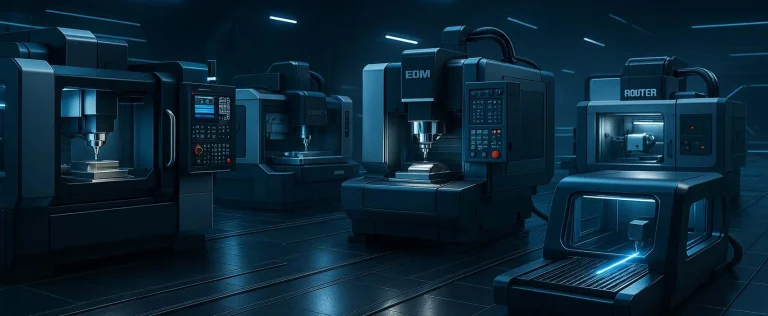
Thermal Cutting Machines
Thermal cutting machines utilize strong heat to cut and melt metallic material. They are operated by using gas, plasma or laser technology. These machines are renowned for their speed and precision and are utilized for cutting structural parts or sheet metal and are applied extensively in most industrial manufacturing fields.
Thermal Cutting Machines: The Ultimate Guide for Modern Industries (2025)
Introduction
In today’s advanced manufacturing world, Thermal Cutting Machines are more than just tools—they are the backbone of industries such as automotive, aerospace, shipbuilding, metal fabrication, and custom projects. Precision, speed, and efficiency are non-negotiable in modern production environments.
Traditional cutting methods like hand-held torches, mechanical shears, and plasma torches required extensive manual effort, time, and skill. Today, CNC thermal cutting machines have transformed the industry by automating complex cuts, improving safety, and drastically reducing material waste.
Whether you are fabricating chassis panels for vehicles, fuselage components for aircraft, hull plates for ships, or decorative metal sheets for interior design, thermal cutting machines ensure consistent results every time. With the right technology and operator knowledge, businesses can achieve high-quality, cost-effective production that keeps them competitive.
Types of Thermal Cutting Machines
1. CNC Plasma Cutting Machines
CNC Plasma Cutting Machines are versatile machines that use ionized gas (plasma) to cut through metals with high speed and accuracy. They are suitable for medium to thick metals like mild steel, stainless steel, and aluminum. The machines can handle thicknesses ranging from 1mm to 50mm, depending on the power of the plasma cutter.
Applications: Automotive parts, industrial fabrication, heavy metal sheets.
Advantages: Fast cutting, low initial investment compared to lasers, good for thick metals.
🔗 Learn more: CNC Plasma Cutting Machine
2. CNC Laser Cutting Machines
Laser cutting machines use high-intensity laser beams to cut through metals and non-metals. They offer high precision, making them ideal for thin sheets, intricate designs, and complex patterns. CNC laser cutters are widely used in electronics, aerospace, jewelry, and automotive industries.
Applications: Thin steel sheets, aluminum components, copper, decorative metalwork.
Advantages: Extremely precise, smooth edges, low heat-affected zone, ideal for delicate materials.
🔗 Learn more: CNC Laser Cutting Machine
3. CNC Flame Cutting Machines
CNC Flame Cutting Machines (Oxy-Fuel Cutting) are designed to cut thick steel plates efficiently using oxygen and a fuel gas, usually acetylene or propane. They are especially popular in shipbuilding, heavy steel fabrication, and structural steel cutting.
Applications: Hull plates, industrial beams, structural components.
Advantages: Capable of cutting steel plates over 100mm thick, low-cost consumables, reliable for heavy-duty tasks.
🔗 Learn more: CNC Flame Cutting Machine
4. CNC Waterjet Cutting Machines
Waterjet cutting uses high-pressure water mixed with abrasives to cut metals, composites, and other materials without creating a heat-affected zone. This makes it ideal for materials sensitive to heat, including carbon fiber, laminated composites, and stainless steel.
Applications: Aerospace components, industrial parts, decorative panels, composites.
Advantages: No heat distortion, can cut thick materials (up to 150mm+), precise and versatile.
🔗 Learn more: CNC Waterjet Cutting Machine
5. Best CNC Plasma Cutting Machines
These machines combine the speed of plasma cutting with CNC precision, offering high efficiency for industrial-scale operations. They are optimized for repeatable cuts, long production runs, and minimal material wastage.
🔗 Learn more: Best cnc plasma cutting machine
Key Components of Thermal Cutting Machines
Understanding the main components is critical to operating and maintaining thermal cutting machines efficiently:
CNC Control Unit: The brain of the machine. Programs, executes cutting paths, and ensures consistent performance.
Hydraulic & Servo Systems: Responsible for smooth, accurate movement of the cutting tool along X, Y, and Z axes.
Cutting Tools/Nozzles: Plasma tips, laser heads, and waterjet nozzles. The quality of consumables directly affects cutting precision and speed.
Workholding & Safety Systems: Tables, clamps, and sensors secure materials and ensure operator safety.
Gas Supply Systems: Essential for plasma and oxy-fuel machines. Proper gas flow and pressure are critical for high-quality cuts.
Materials Processed
Thermal Cutting Machines are highly versatile, capable of processing:
Metals: Mild steel, stainless steel, aluminum, copper, brass.
Composites: Carbon fiber sheets, laminated composites, fiberglass.
Thickness Capabilities:
Plasma: 1–50mm
Laser: 0.5–25mm
Waterjet: 1–150mm+
Oxy-Fuel: 6–100mm+
Note: Choosing the right machine depends on material type, thickness, and required precision. For instance, waterjet is preferred for composites, whereas plasma is more efficient for medium-thick metals.
Applications of Thermal Cutting Machines
1. Automotive Industry
Chassis components, body panels, exhaust systems, structural brackets.
CNC plasma and laser cutters are widely used for high-volume production and custom parts.
2. Aerospace
Fuselage panels, wing components, landing gear structures.
Precision and minimal heat-affected zones are critical, making laser and waterjet cutting preferred.
3. Shipbuilding
Hull plates, deck panels, and large structural elements.
Oxy-fuel flame cutting is common due to the thickness of steel plates.
4. Electrical & Electronics
Metal enclosures, chassis for electronics, heat sinks.
Laser cutting ensures fine precision and clean edges, reducing post-processing.
5. Furniture & Interior Design
Decorative metal panels, frames, artistic metalwork.
Waterjet and laser cutting allow intricate patterns with high aesthetic appeal.
6. Small Workshops & Custom Fabrication
Custom parts, prototypes, and artistic metal creations.
CNC plasma and waterjet machines offer flexibility for varied small-batch production.
Advantages of Thermal Cutting Machines
High Precision & Repeatability: CNC ensures identical cuts across multiple parts.
Faster Production: Automation reduces cutting time compared to manual methods.
Material Savings: Optimized cutting paths reduce scrap.
Enhanced Safety: CNC automation minimizes operator exposure to flames or plasma arcs.
Versatility: Capable of cutting metals, composites, and other materials.
Limitations & Challenges
High Initial Investment: Laser and waterjet machines can be costly.
Skilled Operator Requirement: CNC programming and maintenance require trained personnel.
Maintenance & Consumables: Regular replacement of nozzles, lenses, or plasma tips is necessary.
Energy & Gas Consumption: Machines can be energy-intensive, especially high-power lasers and plasma cutters.
Safety Standards & Best Practices
Always wear PPE: gloves, goggles, helmets, and protective clothing.
Ensure machine guarding and functional emergency stop systems.
Provide proper ventilation and fume extraction.
Follow CNC safety protocols during programming and operation.
Perform preventive maintenance regularly to ensure safety and precision.
Future Trends in Thermal Cutting Machines
Smart Factories & Automation: Fully integrated systems with IoT and robotics.
Digital Twin & Predictive Maintenance: Simulate cutting processes digitally to prevent machine downtime.
Green Manufacturing: Energy-efficient lasers, optimized gas usage, and eco-friendly waterjet abrasives.
AI-Driven Cutting Optimization: Advanced algorithms optimize cutting paths, reduce waste, and increase speed.
Comparison Table
| Machine Type | Material | Cutting Thickness | Accuracy | Applications | Cost |
|---|---|---|---|---|---|
| Plasma | Steel, Aluminum | 1–50mm | ±0.5mm | Medium-thick metals | $10,000–$50,000 |
| Laser | Steel, Aluminum, Copper | 0.5–25mm | ±0.1mm | Thin metals, intricate designs | $20,000–$150,000 |
| Waterjet | Metals, Composites | 1–150mm | ±0.2mm | Metals & composites | $50,000–$200,000 |
| Oxy-Fuel | Steel | 6–100mm+ | ±1mm | Thick steel, heavy fabrication | $5,000–$30,000 |
Buying Guide for Businesses
Production Volume: High-volume production requires industrial-grade CNC machines.
Material & Thickness: Match the machine to your materials; waterjet for composites, plasma for medium metals.
CNC Software Compatibility: Ensure CAM integration and easy programming.
After-Sales Support: Consider maintenance contracts, spare parts availability, and technical assistance.
Cost Factors
Machine Price Range: Plasma ($10k–$50k), Laser ($20k–$150k), Waterjet ($50k–$200k).
Consumables & Tooling: Regular replacement of nozzles, lenses, plasma tips.
Maintenance & Calibration: Periodic checks for CNC accuracy and mechanical components.
Energy & Gas Costs: Plasma, laser, and oxy-fuel machines require continuous power and gas supply.
Conclusion
Thermal Cutting Machines are indispensable in modern industry. They provide speed, precision, versatility, and safety, making them essential for automotive, aerospace, shipbuilding, electrical, and custom fabrication projects. Investing in CNC thermal cutting machines ensures high-quality production, cost efficiency, minimal material waste, and a competitive advantage.
For any business aiming to scale, innovate, or improve production efficiency, Thermal Cutting Machines are not just tools—they are strategic assets for success in 2025 and beyond.
👉 Explore More Insights on My CNC Line Blog
📚 CNC Thermal Cutting Machines FAQs
| Q No | Question | Answer |
|---|---|---|
| Q1 | How thick can a plasma cutter cut? | Up to 50mm depending on the machine model and power rating. |
| Q2 | What is the lifespan of a laser nozzle? | Typically 6–12 months under standard usage conditions. |
| Q3 | Can water jet cutting handle composites? | Yes, it can cut composites like carbon fiber without heat damage. |
| Q4 | Which thermal cutting machine is best for small workshops? | Plasma or waterjet machines, due to versatility and lower initial investment. |
| Q5 | How do you maintain CNC thermal cutting machines? | Clean regularly, calibrate CNC axes, replace consumables, check gas flow or water pressure. |
| Q6 | Are thermal cutting machines energy-efficient? | Modern machines are designed for minimal energy consumption, especially lasers with optimized power settings. |
| Q7 | Can I cut aluminum with a plasma cutter? | Yes, plasma cutters work efficiently on aluminum, provided the thickness does not exceed machine limits. |
| Q8 | Do thermal cutting machines require skilled operators? | Yes, CNC programming and operation require trained personnel for safety and precision. |
| Q9 | Can thermal cutting machines create decorative designs? | Laser and waterjet machines excel at intricate patterns and artistic metalwork. |
| Q10 | Is CNC automation necessary for precision? | CNC ensures consistent, accurate cuts that manual methods cannot achieve. |
| Q11 | What materials can a plasma cutter handle? | Plasma cutters can cut mild steel, stainless steel, aluminum, copper, and other conductive metals efficiently. |
| Q12 | Can CNC thermal cutting machines cut thick steel plates? | Yes, oxy-fuel flame and plasma CNC machines can cut steel plates up to 100mm or more, depending on the model. |
| Q13 | Is post-processing required after laser cutting? | Usually minimal. Laser cutting provides smooth edges, but deburring may be needed for ultra-precise parts. |
| Q14 | How fast can a CNC plasma cutter operate? | Cutting speed depends on material thickness and machine power, typically ranging from 200mm/min to 2000mm/min. |
| Q15 | Can waterjet cutting machines cut glass or stone? | Yes, waterjet machines are versatile and can cut glass, ceramics, stone, and composites without heat damage. |
| Q16 | Do CNC thermal cutting machines require regular calibration? | Yes, calibration ensures accuracy, especially for high-precision laser and waterjet machines. |
| Q17 | Can thermal cutting machines reduce material waste? | Absolutely. CNC programming optimizes cutting paths, minimizing scrap and saving material costs. |
| Q18 | Are thermal cutting machines suitable for custom parts? | Yes, CNC thermal cutting machines are ideal for prototypes, one-off custom designs, and small-batch production. |
| Q19 | Do plasma cutters produce a heat-affected zone? | Yes, but it is relatively small compared to oxy-fuel cutting. Waterjet cutting produces no heat-affected zone. |
| Q20 | Can thermal cutting machines be integrated into automated production lines? | Yes, modern CNC machines can integrate with robotic arms and smart factory systems for fully automated production. |
| Q21 | What maintenance is required for laser optics? | Regular cleaning of lenses and mirrors, proper alignment, and avoiding dust or debris are essential for consistent performance. |
| Q22 | Are CNC thermal cutting machines noisy? | Plasma and oxy-fuel machines generate noticeable noise, while laser and waterjet machines are quieter, but all require hearing protection in industrial environments. |
| Q23 | Can CNC thermal cutting machines handle thick aluminum sheets? | Yes, but plasma or waterjet machines are preferred for thick aluminum, as lasers may struggle with high reflectivity. |
| Q24 | Do thermal cutting machines require ventilation systems? | Yes, fume extraction or proper ventilation is necessary to remove smoke, gases, and airborne particles for safety. |
| Q25 | Can these machines cut multiple layers at once? | Some high-power plasma and waterjet machines can cut stacked sheets efficiently, depending on thickness and material. |